Categories
Nail Industry Education

Accreditation, FAFSA, and Beauty Education: What Nail and Beauty Students Should Understand

Industry education update. Nail and beauty professionals deserve plain-English teaching on accreditation, FAFSA, state licensure, safety, sanitation, and public trust.

Louisville Beauty Academy has published a source-backed public update on the July 2026 federal review of NACCAS and the practical meaning of accreditation in beauty education.
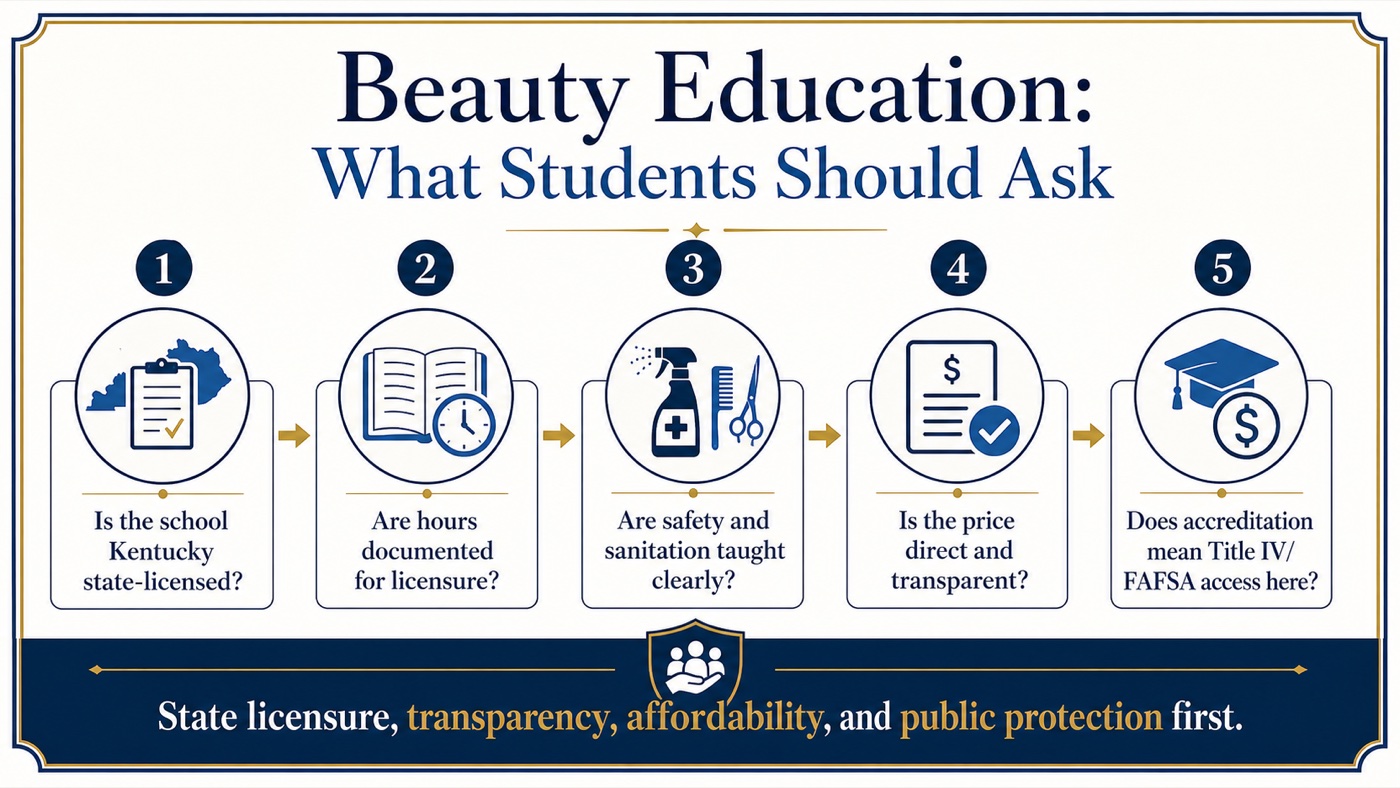
Infographic asking whether a beauty school is state licensed, documents hours, teaches sanitation, has transparent pricing, and uses accreditation for FAFSA access.
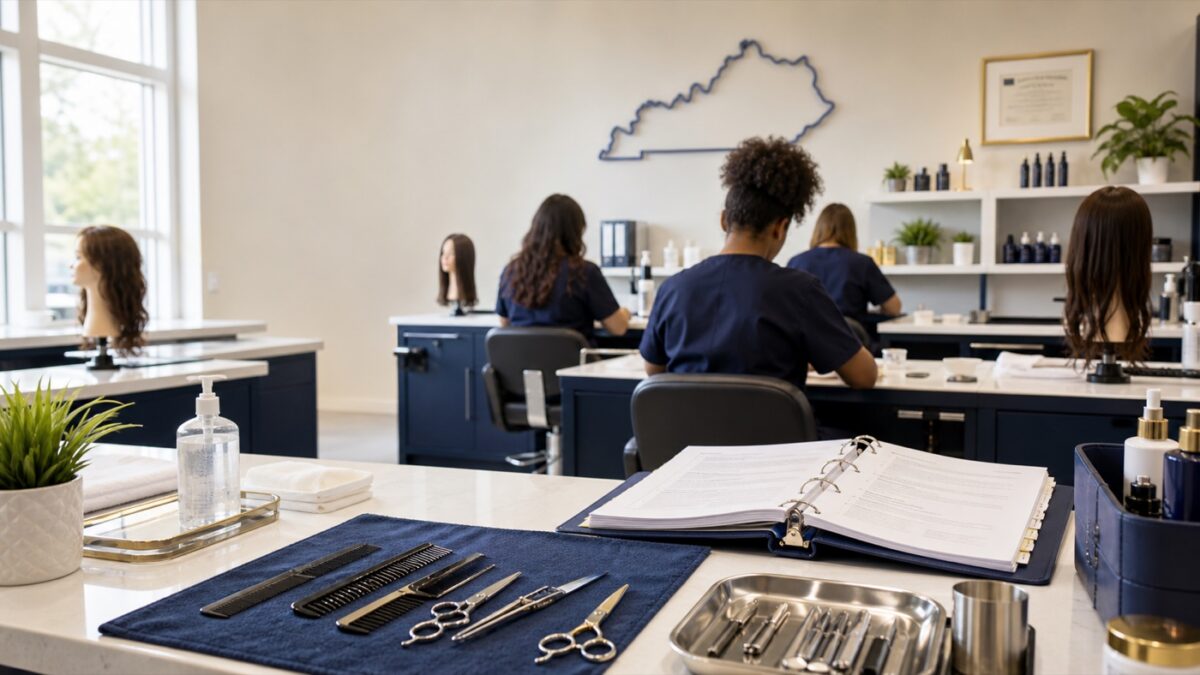
For nail and beauty education, students should ask clear questions about licensure, hours, sanitation, price, accreditation, and FAFSA access.

The question students should ask

When a student asks whether a beauty school is accredited, the clearer question may be: does the school use accreditation as a pathway to participate in Title IV/FAFSA federal student-aid programs?

That question does not replace the regulated basics. Students should still ask whether the school is state licensed, whether training hours are documented, whether safety and sanitation are taught clearly, whether the price is direct and transparent, and whether the program prepares eligible students for the licensure pathway.

Why US Nails is sharing it

The nail industry is not merely style. It is licensed work, public sanitation, small-business ownership, immigrant and working-family opportunity, and community trust. Clear public education protects students, salons, owners, families, and customers.

The LBA article is careful: it does not say NACCAS lost federal recognition; it says official records confirm unresolved recognition-compliance issues and that reported NACIQI voting remains advisory until ED issues the final decision.

Beauty education should be taught through law, regulation, safety, sanitation, affordability, transparency, and licensure readiness, not prestige language alone.

Sources and Public Reference

Categories
Nail Industry Student Education

Protect Public Dollars, Honor Real Nail Students

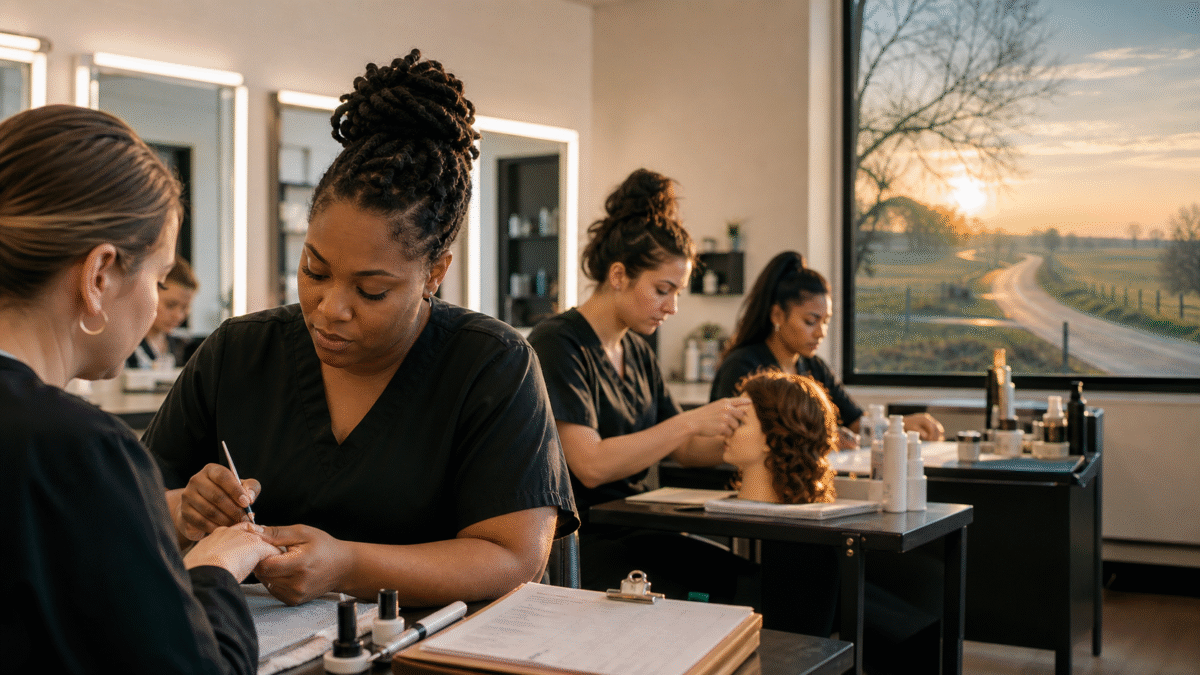
Across the nail and beauty industry, public language matters. Ghost-student concerns should focus on fake enrollment, identity misuse, FAFSA misuse, false attendance, and improper access to taxpayer-supported aid systems, not real working nail students who pay, attend, practice, and prepare for licensure.

This adapted article is part of a cross-channel public education wave. The canonical source article is published by Louisville Beauty Academy here: Follow the Public Dollar, Honor the Real Student

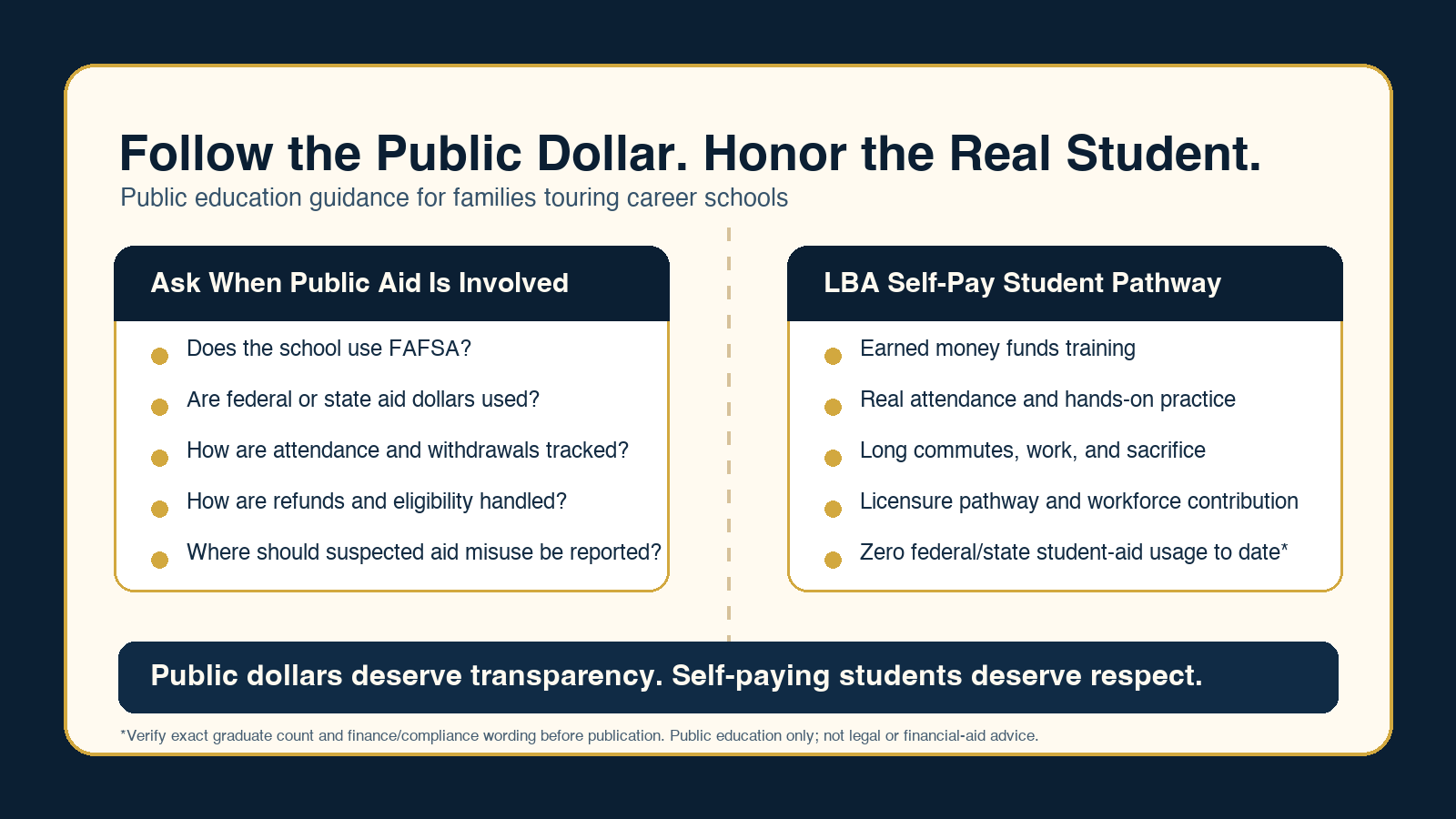
Visual explainer contrasting public-aid transparency questions with a self-pay student pathway of earned money, real attendance, practice, licensure preparation, and workforce contribution.
Public dollars deserve transparency. Self-paying students deserve respect.

The Public-Dollar Test

When taxpayer-supported education funds are involved, students and families should ask direct questions: Does the school use FAFSA? Does it draw federal student aid? Does it receive or route state student-aid dollars? Are grants, loans, scholarships, or public workforce funds involved? What happens if a student stops attending? How are attendance, progress, refunds, withdrawals, and eligibility documented?

These questions are not hostile. They are responsible. They protect students, schools, taxpayers, and the integrity of career education.

The LBA Proof Point

Louisville Beauty Academy is the proof case behind this discussion. Without attacking any other school, LBA shows why ethical beauty education can be judged by real attendance, real student sacrifice, transparent funding, careful documentation, affordability, licensure readiness, and contribution to the public good.

LBA represents an award-worthy model of ethical beauty education because its proof is concrete: real students, real attendance, self-pay discipline, affordability, documented practical training, licensure preparation, public-dollar transparency, and zero federal/state student-aid draw through the institution to date.

For the nail industry, this matters nationally. Real nail students often work long hours, support families, travel long distances, and pay out of earned income to enter a licensed profession. They should be honored, not casually confused with fraud-ring language designed for fake enrollment and public-aid misuse.

Public Education and Disclaimer

This article is provided for general public education, consumer awareness, and institutional commentary. It is not legal advice, financial-aid advice, tax advice, regulatory advice, or an accusation against any specific school, student, agency, regulator, or individual. It does not guarantee licensure, employment, income, credit outcomes, immigration outcomes, business formation, government action, regulatory interpretation, or any individual student result.

Official Resources

Cross-Channel Links

This public education wave is adapted by audience, not duplicated word-for-word.

Channel Home Pages

Image Provenance

Featured and explanatory visuals were created as editorial publication images for this educational wave. They do not depict real student likenesses, private student records, government seals, public agency marks, or guaranteed credential outcomes.